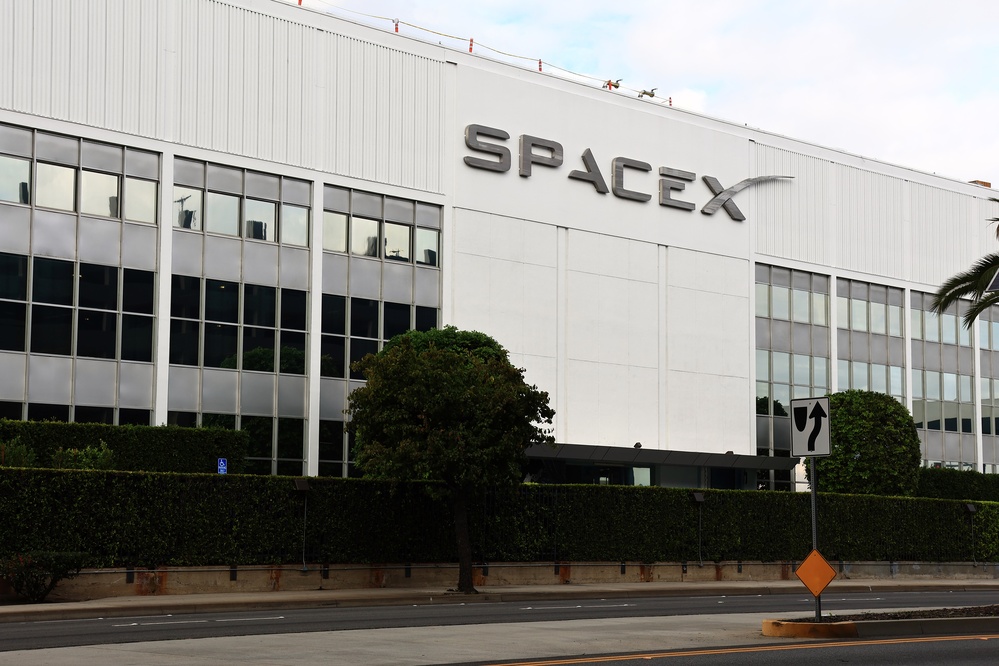


Elon Musk has long relied on a large group of small retail shareholders to help support Tesla’s stock, and many of these investors now own SpaceX shares as well. Recently, though, retail investors have started selling SpaceX stock, and it’s not clear why.
JPMorgan monitors how retail investors buy and sell individual stocks. In the first few weeks after SpaceX went public, there was a surge of retail buying, which was expected since smaller investors couldn’t buy the stock before its record-setting IPO.
But that pattern has changed. JPMorgan says retail investors have sold about $570 million worth of SpaceX shares in the past three weeks, with nearly $250 million sold just last week—the biggest weekly outflow they’ve seen. The reason for the selling is unclear, especially since SpaceX shares have actually gone up a bit during this time. It could be that some investors are taking quick profits, or that things are settling down after the initial rush to buy. Even with the recent selling, retail investors have still put a lot of money into SpaceX, though it’s only a small part of all shares traded.
Still, it’s important to keep an eye on retail investor activity. According to Bloomberg, retail investors own about 40% of Tesla’s shares that are available to trade, which is about twice as much as what’s typical for other big tech stocks.
Tesla’s retail shareholders have consistently backed Musk’s bigger goals. It’s hard to measure exactly how this affects the stock price, but it probably helps explain why Tesla’s shares are valued so highly. Right now, Tesla trades at about 174 times its expected earnings for the next year, which is even higher than SpaceX’s ratio of about 138 times earnings after recent estimate increases.
SpaceX shares went up slightly in premarket trading, moving about the same as the overall market futures.
The stock got another lift after SpaceX won a contract to launch NASA’s StarBurst gamma-ray detector mission. According to NASA, SpaceX will send a small satellite into orbit to study neutron star mergers and the origins of short gamma-ray bursts, with the launch planned for 2028 or later.
This win is good news, but it’s not a big surprise since SpaceX is still the top launch provider in the U.S.