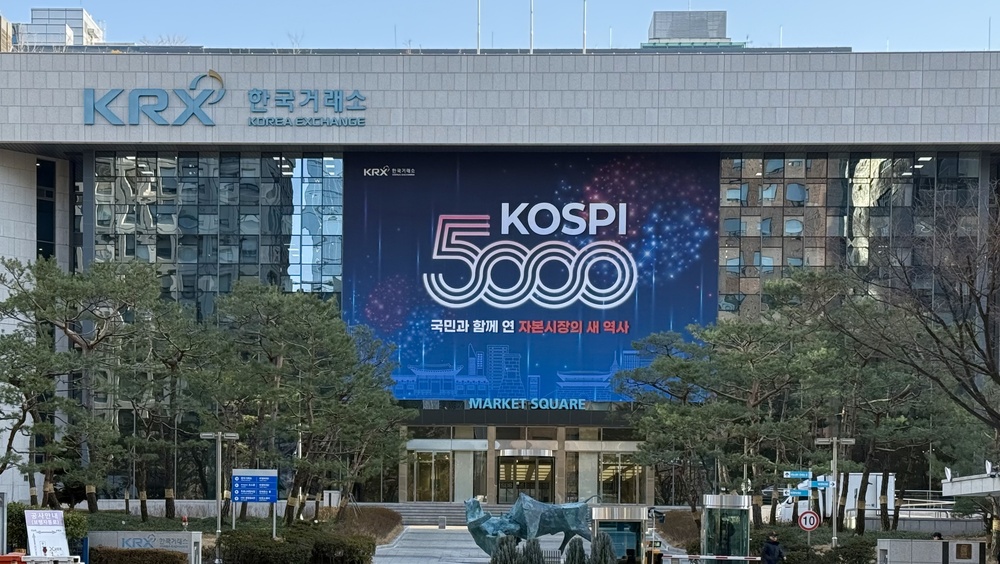


A tough trading day in South Korea is raising concerns for U.S. chip investors. On Tuesday, SK Hynix and Samsung Electronics both dropped more than 12% as the KOSPI index fell 10%. Even with this sharp decline, the index is still up 95% for 2026. Before U.S. markets opened, Micron shares were down 8.9%, and Nasdaq-100 futures were 2.6% lower. Here’s a look at what’s behind the memory sector selloff and whether the positive outlook still holds.
Micron, SK Hynix, and Samsung have all seen huge gains in 2026, thanks to strong demand for memory chips used in AI data centers. So far this year, Micron is up 234%, SK Hynix has climbed 292%, and Samsung has gained 159%. These big increases make the stocks more likely to drop sharply if investor sentiment changes, even if there isn’t a clear reason.
Two main worries are behind Tuesday’s selloff. First, investors are unsure if large tech companies can keep spending on AI infrastructure at the same pace, which could hurt demand for memory chips. Second, there are concerns about inflation. If inflation stays high, the Federal Reserve might raise interest rates more than once in 2026. Higher rates make bonds and other yield investments more appealing than growth stocks, which puts extra pressure on high-priced tech companies.
The KOSPI’s 10% drop is a big move, but it’s important to remember the index is still up 95% in 2026. So, while Tuesday’s decline is notable, it’s not a disaster for one of the world’s top-performing markets over the last year and a half. Whether the selloff continues or calms down will likely depend on how investors react to Micron’s third-quarter earnings, which come out after the market closes on Wednesday.