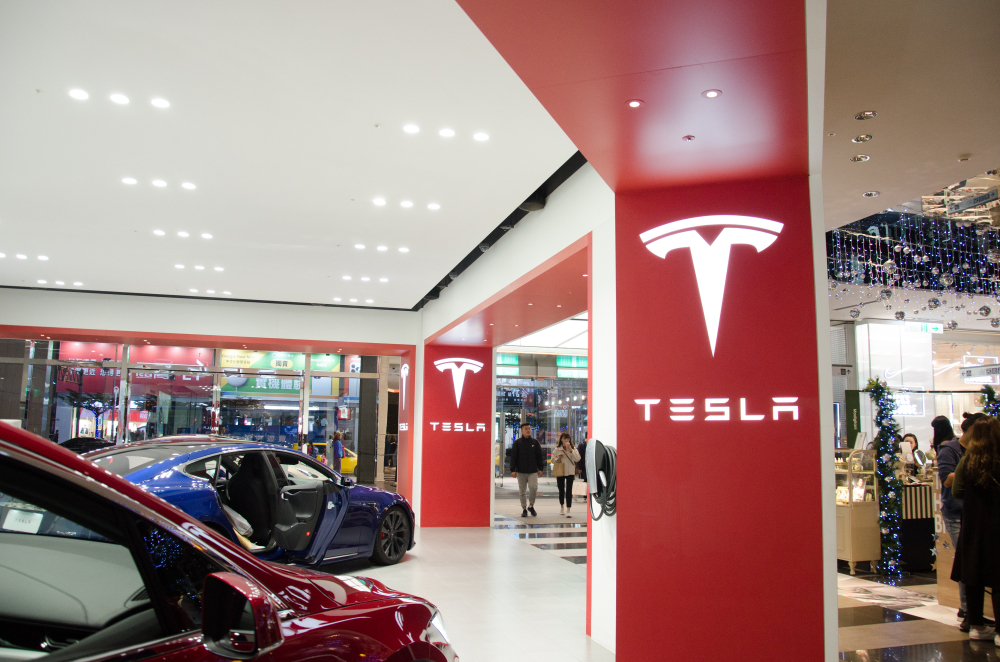


Tesla has a lot going on this week. The company plans to show off the newest version of its Roadster on Thursday, and it will report its third-quarter vehicle delivery numbers on Friday.
Tesla’s stock dropped in early trading on Monday, falling a bit more than the overall market as higher energy prices put pressure on stocks. Oil prices were up 2.5% at the start of the day.
As the week began, Tesla’s stock had gained about 5% over the past month. Besides the Roadster launch and hopes for strong deliveries, other news has helped the stock. Earlier this month, Tesla added its Cybercab robotaxi to its self-driving taxi service. SpaceX shares also rose about 5% during the same time, moving in step with Tesla. The two stocks often move together, and some investors and analysts think a merger could happen, with SpaceX possibly offering Tesla shareholders a premium in an all-stock deal.
Wall Street expects Tesla to deliver 463,000 vehicles in the third quarter, according to FactSet. That’s down from about 497,000 in the same quarter last year. The third quarter of last year got a boost because the $7,500 federal EV tax credit ended in September, which encouraged buyers to make purchases sooner.
StoneX expects Tesla to deliver about 446,500 vehicles in the third quarter, which is 7% less than the previous quarter and 10% less than a year ago. This is a bit lower than the FactSet estimate, and StoneX predicts Tesla will miss delivery expectations. Still, the firm remains positive about the stock. Right now, most analysts and investors are more interested in Tesla’s AI projects, like robotaxis and robotics, than in delivery numbers. Tesla started a robotaxi service in Austin, Texas, in June 2025, but it has been slow to expand. The company is also working to mass-produce its humanoid robot, Optimus, and investors are eager to see what the new version can do.
Because of this shift in focus, missing delivery targets might not hurt Tesla’s stock as much as it did in the past, when electric vehicles were the main reason to invest. In fact, Tesla’s shares dropped even after strong second-quarter deliveries. Still, cars are Tesla’s biggest business and help pay for its larger goals.